





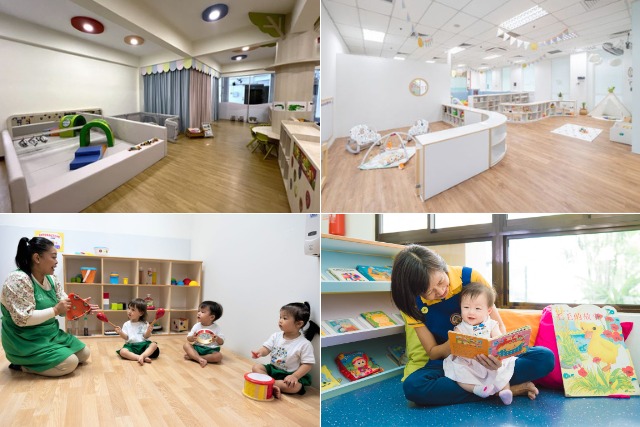

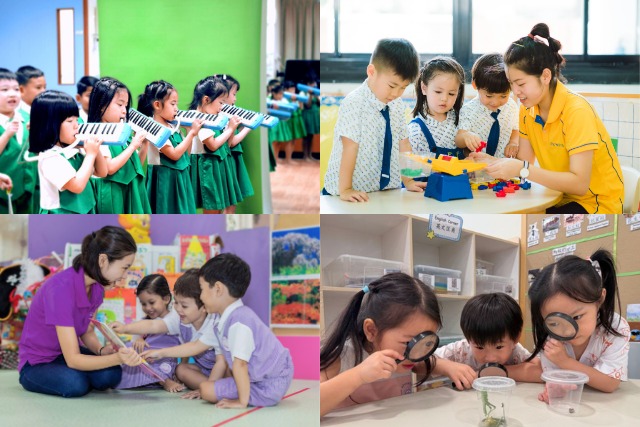
















Education today looks very different from just a few years ago. Classrooms are more flexible, technology is seamlessly integrated, and teachers are focusing on skills like empathy, collaboration, and problem-solving alongside academics.

As schools evolve to meet new learning challenges, they’re redefining what it means to prepare children for the future – where emotional intelligence and digital literacy are as vital as reading and maths.
Across Singapore, forward-thinking preschools, academies, and enrichment centres are leading this change, transforming how children learn and how teachers teach.
Blended Learning Becomes the New Norm
Hybrid learning – once an emergency solution – has matured into a core feature of education. The best schools now combine physical classrooms with digital tools that extend learning beyond four walls.
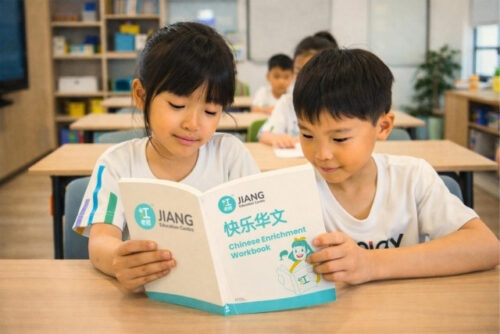
This approach teaches children independence, responsibility, and adaptability – skills that serve them well throughout life. Many schools are now incorporating flexible online resources alongside in-class lessons, encouraging students to take charge of their learning.
Emotional Intelligence Takes Centre Stage
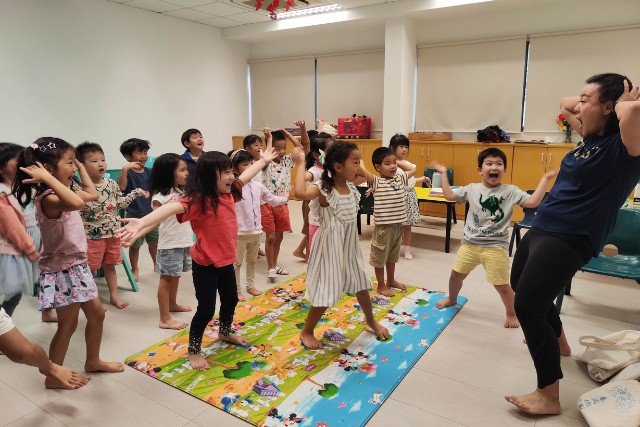
Modern educators increasingly view emotional well-being as the cornerstone of all learning. Research shows that emotionally literate children – those who can recognise and manage their feelings – are better able to concentrate, collaborate, and solve problems. Schools are weaving these principles into their routines through mindfulness, peer reflection, and open communication.
Thrive After-school Sanctuary, for example, has made emotional development a daily focus, blending academic guidance with quiet reflection and positive social interaction.
Similarly, In:genius Student Care builds on this with “Habits of Mind™,” a framework that trains students to persist through challenges and think empathetically. These approaches remind parents that confidence and calm are just as crucial to success as test results.
Rethinking Curriculum for a Changing World
Curriculum design is shifting from content memorisation to inquiry and application. The emphasis today is on nurturing curiosity and critical thinking – encouraging children to ask “why,” not just “what.”
Preschools like Little Green House and Raffles Kidz use project-based learning, where children explore big ideas through stories, play, and discovery. Mulberry Learning goes further, blending Reggio Emilia principles with Habits of Mind™ to cultivate independence and reflective thinking.

The Classroom That Never Closes
Learning today doesn’t stop when school ends – it continues through purposeful after-school experiences. Parents are increasingly turning to programmes that blend enrichment with emotional balance.
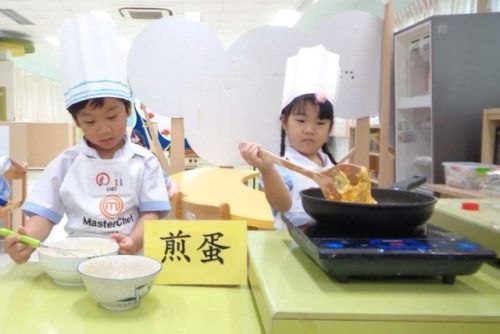
PlayFACTO School transforms afternoons into opportunities for creative exploration through its hands-on Creative Math™ and Coding & Robotics™ programmes. Thrive After-school Sanctuary offers guided homework time alongside mindfulness and enrichment. Both exemplify the modern learning ecosystem: consistent, structured, and attuned to the child’s full well-being.
Technology with a Human Touch
Digital tools have become a mainstay of classrooms, but successful schools understand that technology should enhance – not replace – human connection. Teachers still anchor learning through dialogue, mentorship, and warmth.
At Cambridge Pre-school, educators use digital storytelling and virtual exploration to spark curiosity before returning to small-group discussions that build confidence and expression. Artivity and Mosaic Play Academy also integrate technology meaningfully, using it to extend creativity rather than distract from it. Children learn not only how to use digital tools – but how to think critically about these tools.
Schools as Communities of Growth
Education is now as much about shaping character as teaching content. Modern institutions like British Council Singapore build global awareness through communication and cultural exchange, equipping children with empathy and open-mindedness.
These schools remind us that the classroom is also a community – a place where values, relationships, and well-being grow side by side.
Preparing Children for a Changing World
The modern classroom is an evolving ecosystem – alive with creativity, compassion, and innovation. For parents, the takeaway is simple: when choosing a school or programme, look for one that values the whole child – academically, emotionally, and socially. The best classrooms today don’t just prepare children for exams – they prepare them for life.
By Joanne Heng.
This post was first published in TNAP Education e-guide 2025 / 2026.
* * * * *
Looking to reach over 100,000 parents in Singapore? Let us amplify your message! Drop your contact details here, and we’ll reach out to you.
Discover exciting family-friendly events and places to explore! Join our Telegram channel for curated parenting recommendations.