
























Between schoolwork, screens, work deadlines and family responsibilities, our eyes are constantly working. Yet eye examinations are often postponed until blurred vision begins interfering with daily life.
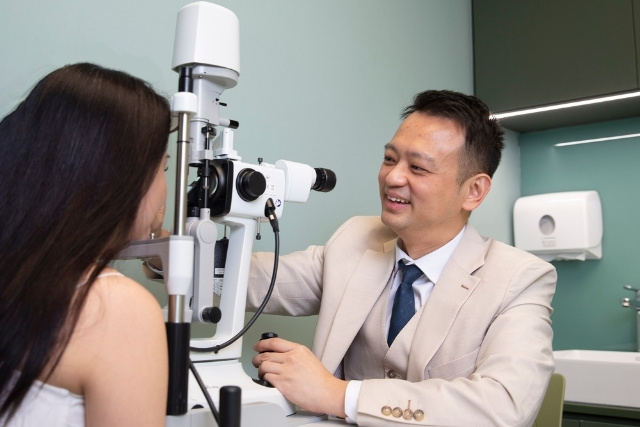
Some eye conditions develop quietly. While children may not realise that what they see is abnormal, understanding the warning signs can help the whole family seek attention earlier.
Children may not tell you they cannot see clearly
A child may assume everyone sees the world in the same way. Instead of complaining about blurred vision, they may change their behaviour.
Parents should look out for:
- Squinting when viewing the television or distant objects
- Sitting unusually close to screens
- Holding books or devices very near the face
- Frequent eye rubbing or headaches
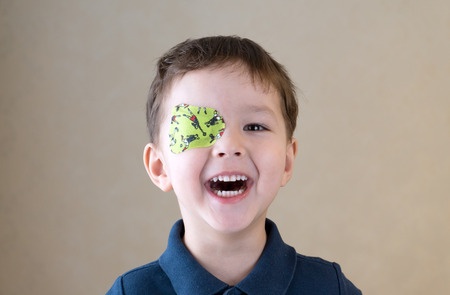
- Covering or closing one eye
- Frequent blinking or turning face to one side
- An eye that turns inward or outward
These signs can be associated with myopia, astigmatism, unequal vision between the eyes or strabismus. However, an eye examination is needed to identify the actual cause.
Myopia deserves particular attention in Singapore. According to HealthHub, approximately half of Singapore’s children have myopia by age 12. Children who develop myopia at a younger age also have more years during which it can progress.
Encourage regular breaks during prolonged near work, use adequate lighting and make outdoor activity part of family life. Research indicates that spending more time outdoors can help delay the onset of myopia, although it does not replace the importance of proper eye examinations or prescribed treatment.
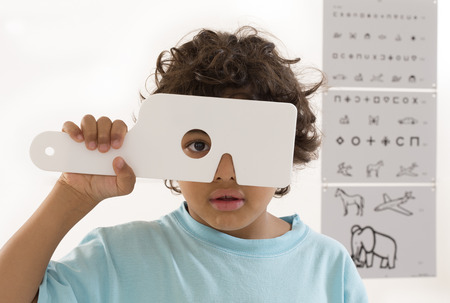
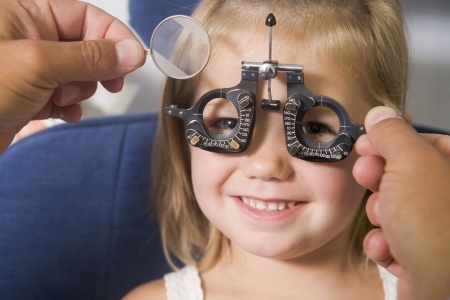
HealthHub recommends testing a child’s vision at around four years old, followed by an examination every one to two years during routine health checks. Children who already have myopia or other eye conditions may need more frequent monitoring.
Parents should not neglect their own eyes
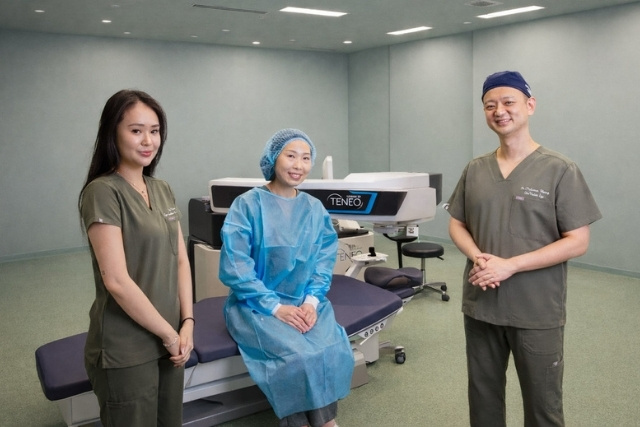
Parents are often diligent about their children’s health while overlooking changes in their own vision.
From around age 40, many adults develop presbyopia, or 老花眼 lao hua yan. You may notice yourself holding menus farther away, increasing the font size on your phone or needing brighter light to read. Presbyopia is a natural age-related change, but not every change in vision should automatically be attributed to routine ageing.
Adults should also pay attention to:
- Persistent blurred or cloudy vision
- Difficulty driving at night or increased glare
- Frequent changes in spectacle prescription
- Dry and itchy eyes
- Eye pain or persistent redness
- New flashes of light or a sudden increase in floaters
- Missing or distorted areas of vision
- Gradual loss of side vision
Conditions such as cataracts, glaucoma and diabetic retinopathy become more relevant as adults grow older. Some can develop without noticeable symptoms during their early stages. Regular eye examinations may therefore detect problems before they significantly affect vision.
HealthHub recommends a baseline eye screening at age 40. The frequency of subsequent examinations depends on your age, findings and medical history. Adults with diabetes, high myopia, an existing eye condition or a family history of eye disease may require closer monitoring.
Sudden vision loss, a curtain-like shadow, new flashes with many floaters, severe eye pain or an eye injury requires urgent medical attention.
Build healthier habits together
Eye care need not be treated as another individual task. Families can take outdoor walks together, schedule screen breaks and remind one another not to ignore persistent symptoms.
Parents also set the example. When children see adults attending eye examinations and following medical advice, they learn that eye care is an important part of looking after their health.
Clear vision supports a child’s learning and development—and helps parents remain independent, productive and present for the family. Looking after everyone’s eyes today can help protect those shared moments for years to come.
Written by Dr Philemon Huang
Medical Director, Senior Consultant Opthamologist
MBBS, MMed (Ophth), FAMS
Dr Philemon Huang is the Medical Director and Senior Consultant Opthamlologist. He is currently practising at OneVision Eye Specialists and LASIK Centre. Onevision.com.sg.
* * * * *
Looking to reach over 100,000 parents in Singapore? Let us amplify your message! Drop your contact details here, and we’ll reach out to you.
Discover exciting family-friendly events and places to explore! Join our Telegram, Instagram and Tik Tok for curated parenting recommendations.