

























Pre-registration opens on 20 February, available on a first-come, first-served basis
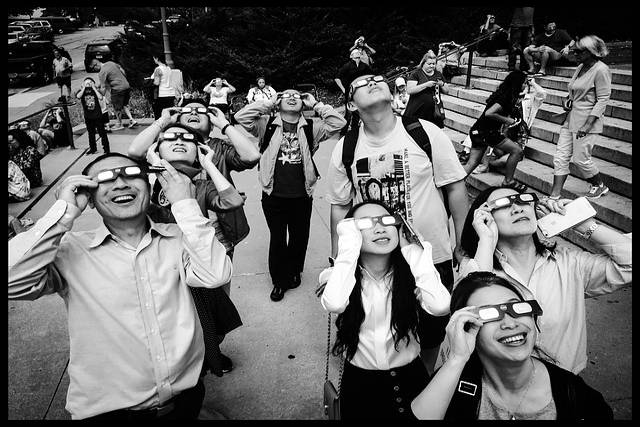
Don’t miss this rare celestial spectacle! Join us at Science Centre Singapore on 3 March 2026 for an unforgettable Total Lunar Eclipse viewing experience. This extraordinary event coincides with the 15th day of the Lunar New Year and marks the last visible Total Lunar Eclipse worldwide until 31 December 2028.
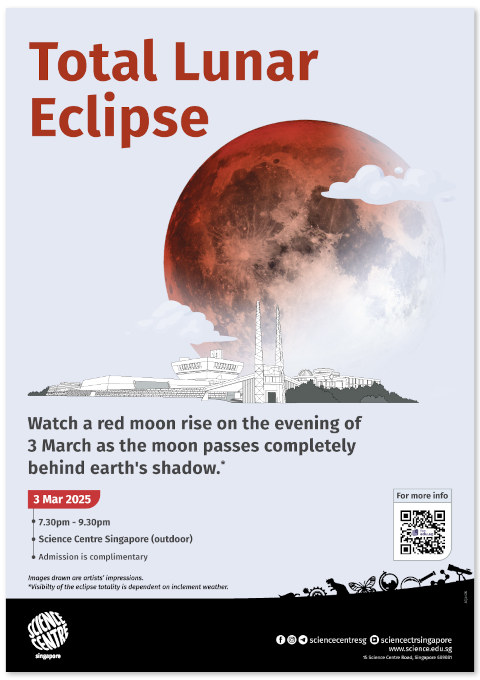
Experience expert-hosted sky viewing sessions with high-powered telescopes, engaging planetarium shows explaining the lunar eclipse phenomena, and family-friendly activities. Our astronomy educators will guide you through this spectacular event as the moon takes on a rich, reddish hue.
Entry to the viewing event will be complimentary, on a first-come, first-served basis. Secure your spot by pre-registering once slots open on 20 February. Onsite registration on the day will start from 6pm onwards at the main entrance of the Science Centre. 15 telescopes* will be available for guests to view the eclipse at 30x magnification, with additional telescopes set up progressively as the Moon rises. Live screens along queue lines will project the eclipse with commentary from our Science Educators to engage the audiences.
For those unable to attend, a livestream of the eclipse will be available on the Science Centre’s YouTube channel.
Elevate your evening with our special bundle at $4 per person, including telescope viewing and a live planetarium show at Omni-Theatre, with shows at 5:00pm, 5:40pm, 8:10pm, and 8:50pm.
The night sky offers additional wonders with bright constellations including Taurus, Orion, Canis Major, and Gemini. Jupiter will be visible until late evening, while Saturn can be seen in the western sky until midnight.
Tickets will be available here from 20 February 2026.
*Due to anticipated high interest, telescope viewing will be available on a first-come, first-served basis. For safety and logistical reasons, only the provided telescopes may be used during the session. Please also note that guests are strictly not permitted to bring their personal telescopes to the session.

About Lunar Eclipses
1. What are lunar eclipses and why do they occur?
A lunar eclipse happens when Earth slips perfectly between the Sun and the Moon, casting its shadow across the Moon’s face. In contrast, a solar eclipse is when the Moon takes centre stage, gliding in front of the Sun and momentarily hiding its light from view.
2. What is the difference between a total, partial, and a penumbral lunar eclipse?
A total lunar eclipse happens when the Moon plunges fully into Earth’s umbra – the darkest core of our planet’s shadow. Here, the Moon takes on a dreamy red or orange glow because Earth’s atmosphere scatters away shorter wavelengths like blue, letting the longer, warmer tones slip through. The dustier the air, the redder the Moon’s makeover. The celestial event on 7 September will be a total lunar eclipse.
A partial lunar eclipse is where the Sun, Earth, and Moon don’t line up perfectly, so only a portion of the Moon slips into the umbra. You’ll see Earth’s shadow creeping across, then sliding away, never fully cloaking the Moon.
A penumbral lunar eclipse is when the Moon drifts only through Earth’s penumbra, the pale outer shadow. The dimming is so gentle, you might not even notice unless you’re looking for it.
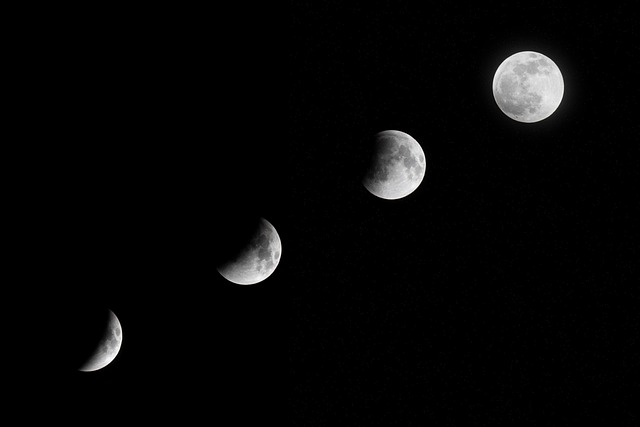 Image credit: Pixabay
3. How often do lunar eclipses occur?
A few times a year – between one to four times – our Earth, Moon, and Sun strike just the right pose to stage a spectacular celestial shadow show: the eclipse. Because the Moon’s orbit is tilted in relation to Earth’s path around the Sun, these events are occasional delights rather than a monthly occurrence.
Total Lunar Eclipse taking place 3 March 2026
1. When will the Total Lunar Eclipse take place?
The Total Lunar Eclipse will take place on 3 March 2026, coinciding with the 15th Day of the Lunar New Year and will occur from moonrise at 7.15pm till 9.17pm, when the partial phase of the lunar eclipse ends. The best viewing window from the Science Centre would be 7.47pm onwards.
- 7:15pm: Moonrise
- 7:33pm: Maximum eclipse; the Moon will be very low; one would need a clear horizon (unobstructed by trees or buildings) to see the eclipsed moon rising.
- 7:47pm: Fully eclipsed moon will be visible from Science Centre Singapore until 8:02pm
- From 8:02pm: The moon will slip out of Earth’s inner red shadow, and it will get gradually brighter
- 9:17pm: Full visibility of the Moon. The Moon is in Earth’s penumbra.
2. What can we expect to see during the Total Lunar Eclipse?
During the Total Lunar Eclipse, the Moon will undergo a gradual yet dramatic transformation. As the Earth moves directly between the Sun and the Moon during the full moon phase, its shadow will steadily cover the Moon’s surface. Over the course of several hours, the Moon’s brightness will dim before taking on a rich, reddish hue, a result of sunlight filtering through Earth’s atmosphere and scattering shorter wavelengths of light. This phenomenon will be visible from approximately half of the Earth, offering a rare and striking spectacle for observers within the viewing region.
From Singapore, we might be able to see the Moon only when it reaches maximum eclipse or later. We will see a red moon rising from our horizon and it will get brighter as it moves out of Earth’s umbra (innermost shadow) gradually.
3. Will the Science Centre Observatory (SCOB) hold a viewing session for the Total Lunar Eclipse?
Yes, the Science Centre Observatory team is hosting a viewing session for members of the public to observe the Total Lunar Eclipse on 3 March 2026. Due to anticipated crowds, guests are highly encouraged to pre-register and arrive early. Complimentary tickets will be available here for pre-registration, from 20 February onwards.
Live screens along queue lines will project the eclipse with commentary from our Science Educators to engage the audiences.
4. Is any special equipment required to view this?
No special equipment is required to view this as the Total Lunar Eclipse will be visible to the naked eye. However, the experience can be enhanced with the use of binoculars or telescopes.
5. Can I bring my own equipment for the viewing session?
To ensure a safe and enjoyable experience for all attendees, we’re unable to accommodate personal telescopes or large equipment. Please travel light, as space will be limited with the anticipated crowds.
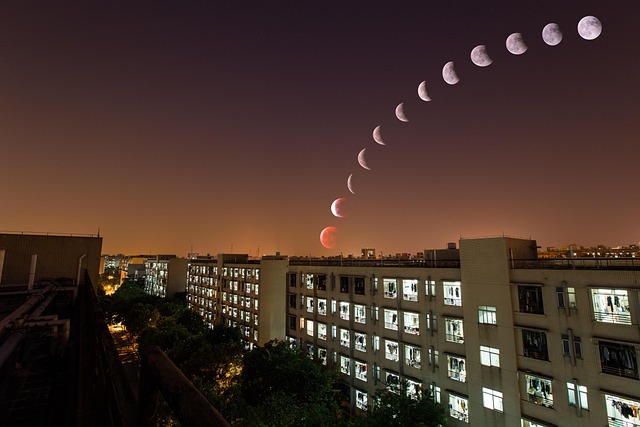 Image credit: Pixabay
6. Is parking available?
Guests are strongly encouraged to use public transport instead due to the limited parking availability. If you’re planning to visit, we strongly encourage you to come via the MRT, bus, or taxi.
7. What if it rains during the viewing session?
In the event of inclement weather, guests will be directed to the Marquee at Science Centre to catch the live stream of the eclipse on screen. The experience will be complemented with live commentary on stage and Moon phases activity.
8. How can I get the best view of this occurrence in Singapore?
Observers should seek darker locations, ideally with an unobstructed view of the eastern horizon. Alternatively, do head down to Science Centre Singapore for a free, expert-hosted viewing session.
Singapore’s weather conditions and frequent cloud cover can also affect visibility of this occurrence. As such, observers should also check the weather forecast for clear skies.
9. When will the next lunar eclipse occur? Will it be partial or total?
Total lunar eclipses happen once every ~3 – 4 years, and different parts of the world might see different phases of the eclipses. The last Total Lunar Eclipse event at the Science Centre Singapore was on 31 Jan 2018. A longer course (penumbral to end of totality) of the total lunar eclipse was visible from 7.48pm to 11.11pm and attracted around 5,000 guests to the Centre.
Following the Total Lunar Eclipse on 3 March 2026, the next Total Lunar Eclipse visible in Singapore will be around three years later on 31 Dec 2028, starting at around 10.03pm.
By The Observatory at Science Centre Singapore.
MARCH SCHOOL HOLIDAY 2026
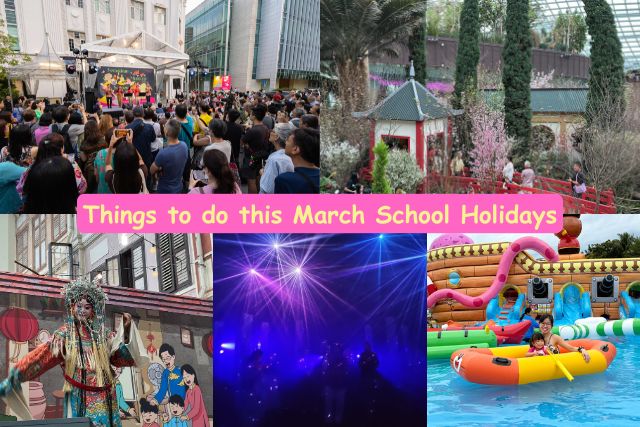
The one-week March school break is here! Looking for ways to keep the little ones engaged? Check out our curated list of fun and exciting activities for the March School Holidays 2026.
✨ HARI RAYA PUASA 2026 ✨
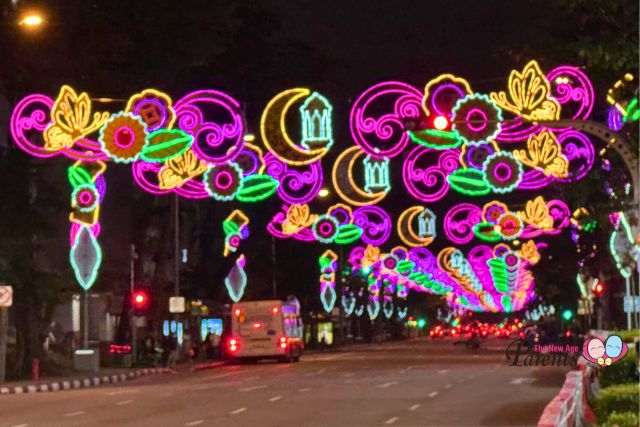
Celebrate Hari Raya Puasa with family, festivities, and feasts! Whether you’re looking for exciting places to visit or the best spots to shop for Raya essentials, we’ve got you covered. Check out our curated lists of Where to Go During Hari Raya Puasa and Where to Shop for Hari Raya in Singapore.
* * * * *
Looking to reach over 100,000 parents in Singapore? Let us amplify your message! Drop your contact details here, and we’ll reach out to you.
Discover exciting family-friendly events and places to explore! Join our Telegram channel for curated parenting recommendations.