























Early childhood education plays a pivotal role in shaping the future of young minds. In today’s educational landscape, there’s an ongoing discussion about the most effective way to engage children: through play-based learning or structured, teacher-led activities.

Both approaches have their strengths, but the question remains – how do we find the right balance? The answer lies in recognising that play and structure are not mutually exclusive; when combined, they support emotional growth and academic development in children.
The Value of Play-Based Learning
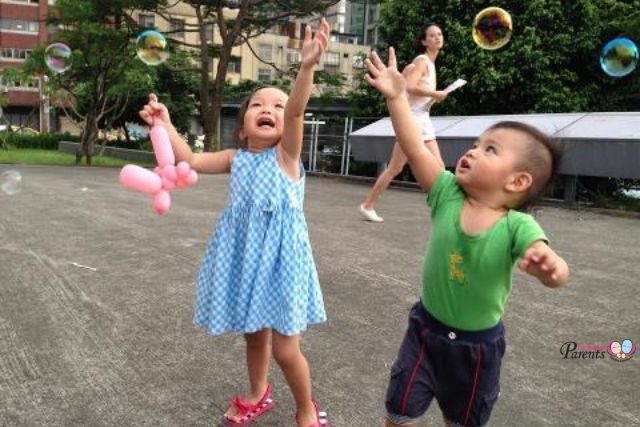
Play is often seen as a child’s first form of learning. Whether it’s through imaginative play, building with blocks, or simply exploring nature, young children absorb a wealth of knowledge in a hands-on, engaging way.
Play-based learning encourages creativity, problem-solving, and social skills. By engaging with the world around them, children develop critical thinking and emotional resilience – skills that will benefit them long after they’ve entered formal schooling.
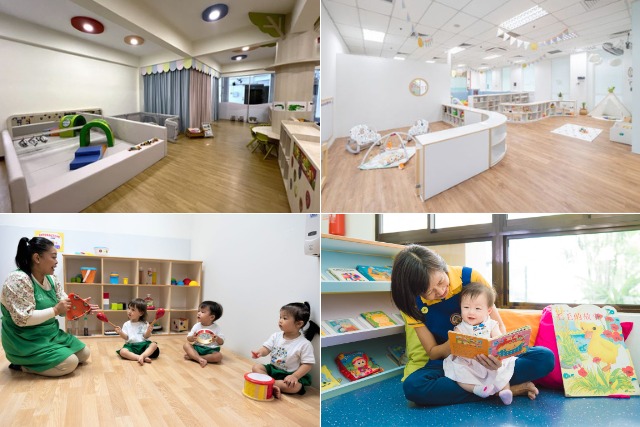
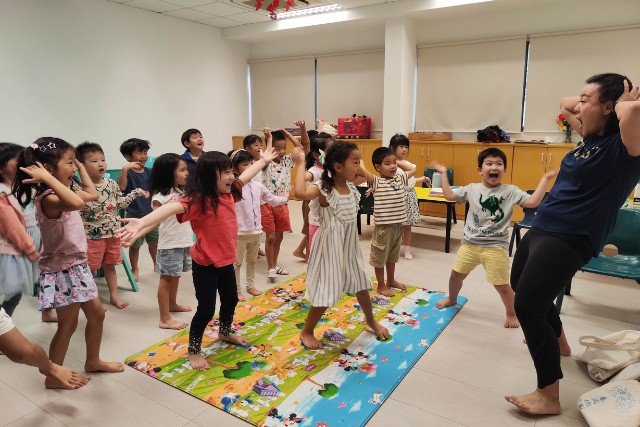
Institutions like Julia Gabriel Centre & Preschool, with its emphasis on EduDrama® and holistic learning, encourage children to interact with their environment in ways that feel natural and exciting. This dramatic, play-based approach fosters an innate curiosity, making learning feel like an adventure rather than a task.
Similarly, NurtureStars integrates physical education activities into its core curriculum to complement classroom learning activities. Through physical activities and play, children learn discipline, resilience, teamwork, and how to cultivate concentration.
Structured Learning: The Foundation for Academic Success
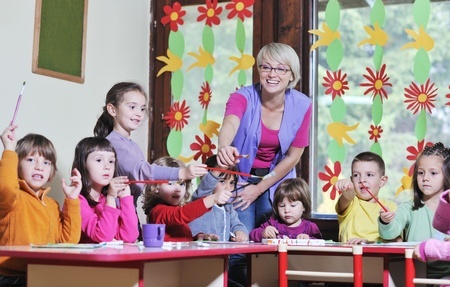
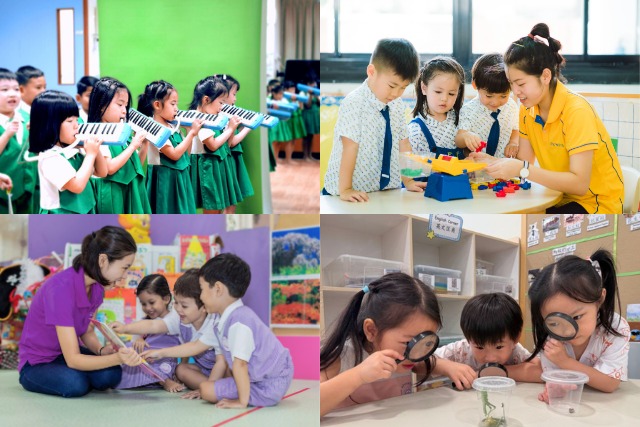
While play is undeniably valuable, structured learning provides a clear path for academic skills and discipline. Structured learning often includes focused activities where children learn specific concepts such as numbers, letters, or shapes. These activities are typically guided by a teacher who sets learning goals and outcomes.
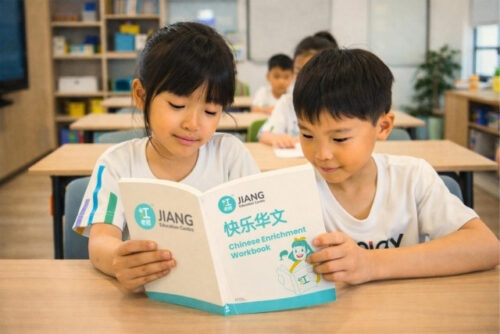
Mulberry Learning exemplifies this structured approach, incorporating the Reggio Emilia methodology and Habits of Mind™ to guide children towards academic readiness. Similarly, ChengZhu Mandarin Centre, with its emphasis on Mandarin language immersion, provides a structured environment where children can build a strong linguistic foundation. Structured activities like these not only develop academic skills but also instil a sense of responsibility and perseverance in young learners.
The Role of Hands-On Exploration
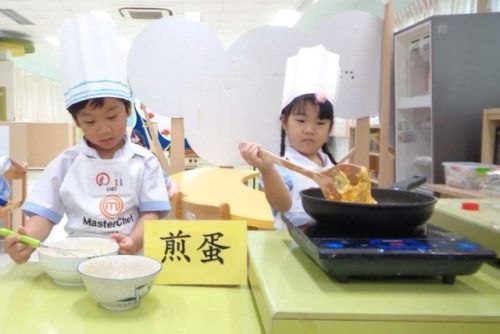
Hands-on exploration, often found at the intersection of play-based and structured learning, is a key element in nurturing both creativity and academic understanding. It allows children to connect theory with practice, taking abstract concepts and turning them into tangible experiences. This could be as simple as engaging in a science experiment, role-playing real-world scenarios, or building a model.
Little Green House and Cambridge Pre-school understand the importance of such exploration. Their inquiry-driven curriculum and immersive learning environments encourage children to experiment and problem-solve, offering a balanced approach that reinforces learning while sparking creativity. This hands-on approach allows children to connect their experiences to the academic content they encounter.
Finding the Right Balance
So, what is the key to finding the right balance between play and practice? The best early education programmes combine both, creating a seamless environment where children can transition between activities that challenge their intellect and those that allow their creativity to flourish.
Educators should focus on nurturing emotional intelligence alongside cognitive skills. That’s because emotional development is just as critical as academic development- children need to feel secure and confident in their abilities before they can fully embrace structured learning. By integrating both play and practice, children become more adaptable, emotionally well-rounded, and prepared for future challenges.
The Power of a Blended Approach
In early education, it is not about choosing between play-based or structured learning – it’s about blending the two in a way that fosters well-rounded development. A balanced approach allows children to develop both academically and emotionally, equipping them with the skills they need for success in school and beyond.
Parents can take comfort in knowing that institutions like Julia Gabriel Centre & Preschool, Raffles Kidz, Mulberry, Little Green House, ChildFirst, ChengZhu, Act 3 International, Cambridge Pre-school, and NurtureStars understand the importance of balance.
By offering flexible, engaging, and supportive environments, these centres help children grow into confident, capable, and curious learners.
In the end, the key to success lies not just in what children learn, but how they learn. A healthy mix of play and practice gives them the foundation they need to thrive emotionally, socially, and academically.
By Joanne Heng.
This post was first published in TNAP Education e-guide 2025 / 2026.
* * * * *
Looking to reach over 100,000 parents in Singapore? Let us amplify your message! Drop your contact details here, and we’ll reach out to you.
Discover exciting family-friendly events and places to explore! Join our Telegram channel for curated parenting recommendations.