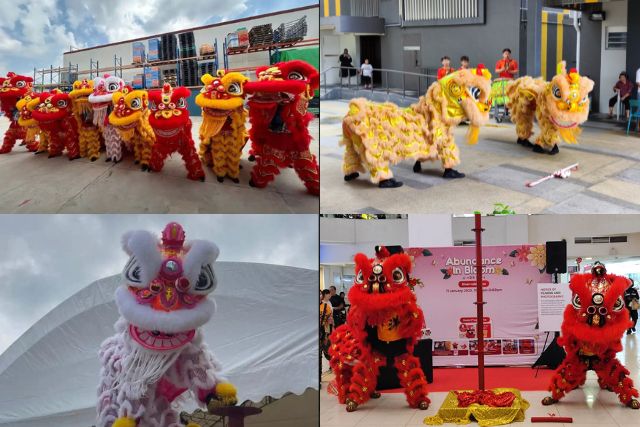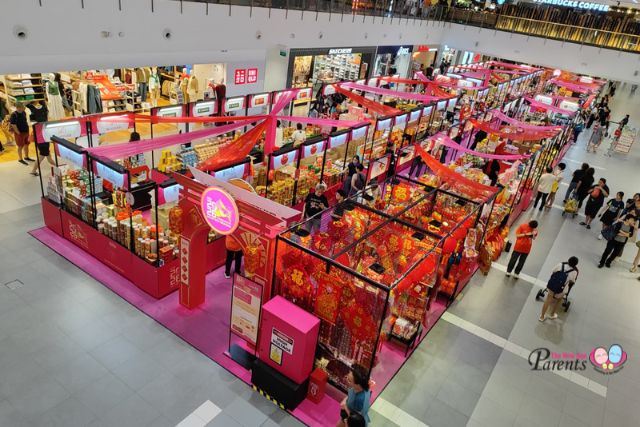

























Growing up, Chinese New Year was always a joyous occasion I looked forward to, with memories of playing block catching, cards and feasting on endless amounts of pastries.
Things took a turn after I developed an eating disorder (ED).
 Image credit: Pixabay
How it began
My ED initially began through the disguise of a ‘healthy lifestyle’. In late primary school, my parents taught my siblings and me to avoid eating foods like chicken wings, ice cream and fries. Ghastly disappointed when my annual report card labelled me “overweight,” the perfectionist me latched on to the idea that I had to fix myself.
I began running and doing HIIT workouts daily. Soon, “being healthy” wasn’t a choice. It felt like a rulebook I had to follow. I ate less, chose “cleaner” foods, and clocked at least an hour of exercise each day.
The label of “overweight” stuck to me and I tried to outrun it.
Chinese New Year: the dreaded season of shame (and fame)
After significant efforts, I lost a substantial amount of weight at 13 years old. Relatives praised my rapid transformation and were openly impressed that I had changed so much within a year. Praise like that was rare for me, and I clung to it. This reinforced my beliefs in living a “healthy lifestyle” and made me even more dedicated to building my life around being ‘healthy’.
However, this came with a price tag: no social eating. Going out to eat with friends or family would mean violating my ‘healthy’ food rulebook. Seasons of feasting like Chinese New Year quickly become dreadful seasons, as most of the foods available during this period were what I then labelled ‘unhealthy’.
Tugged between fulfilling familial obligations and sticking to my ‘healthy’ rulebook, back-to-back house visits induced extreme anxiety when I knew I could not clock in a run. Toilet runs during mealtimes also became frequent as an excuse to avoid eating.
How my relationship with my parents soured
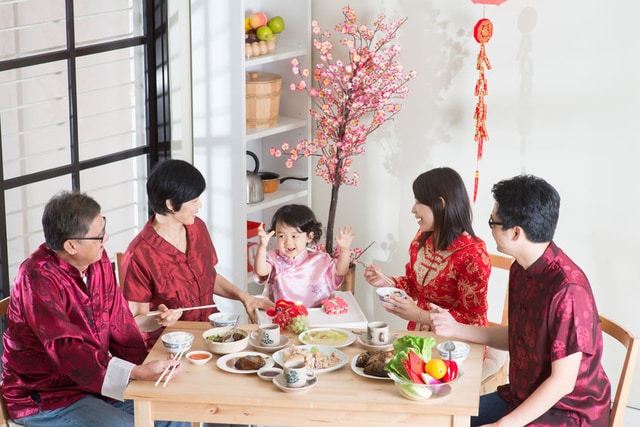
Over the next few years, Chinese New Year was often a source of tension between me and my parents. To them, my insistence on committing to my rigid exercise routines between house visits was outrageous. They also could not understand my need to bring along “safe” snacks to my relative’s place when there was already a sumptuous spread of food served. This often created much conflict within the family.
Discovering my ED and parental support
A couple of years after my weight loss, my appearance started to lose its initial allure as I began to grow into a bag of bones. My emaciated appearance caught the attention of many relatives during CNY, who expressed their concern to my parents. I was again compared to my other athletic male cousins, this time by my parents to prod me to gain weight.
During this period, I struggled to reconcile the tension between the ED’s “healthy” rulebook with my parents’ concerns, as both my pursuit of being ‘healthy’ and family were equally important to me. For years, I concealed and ignored these conflicting thoughts and internal turmoil.
Subsequently, I experienced multiple hospital admissions due to poor nutritional health, which led to my eventual diagnosis for an ED when I was 21 years old. I was forced to take a gap from university and took the time to rebuild my life.
In that phase of my life, my parents were a significant source of emotional support. They made efforts to understand my condition and finally understood the rationale behind my extreme routines, even apologising for having misunderstood my behaviours in the past. The understanding from them helped me to open up and be honest with them about my mental and emotional struggles. In a way, this is what Beyond the Label means to me: being seen as a person first, not reduced to symptoms, stereotypes, or a label.
Advice for persons with ED
It has always been my wish to pay it forward for the support I have received during my ED recovery. As a Beyond the Label (BTL) ambassador, I hope the following tips might be helpful for people recovering from an ED during festive seasons.
1. Joke it off
Whether it is a remark about your appearance, a new outfit or a slimmer waistline, learn to joke these comments off and take it with a pinch of salt. I was once described to ‘发福 fāfú’, (literally meaning to become prosperous), figuratively meaning to have put on weight, but just simply replied, ‘oh yes because the food you cooked was too good!’ Often, the other party would laugh it off and move on to another topic.
2. Stay grounded
When receiving an unpleasant comment from a relative, it is important to stay grounded with what you value most. For instance, while I might have indeed gained weight as per their comments, being present with family during such rare reunions matters more significantly for me.
Of course, it is easier said than done. Journalling before and after the festive season helps me anchor myself before stepping into the battle zone. I tend to seek for ‘weight loss’ regimes immediately after receiving bad body comments. Through journalling, I snap myself out of these situations and anchor myself on the things that matter more to me – such as family or self-care – rather than expending effort on ‘weight loss’ regimes. Ultimately, it is you who decides what matters more in the long run.
3. Reach out for support
If you find yourself feeling overwhelmed by your emotions, thoughts or experiences, remember that you do not have to handle it alone. Consider reaching out to a friend, a trusted adult or even a professional for support. Opening up about what you are going through allows others to better understand your struggles and support you in ways that can help you stay on track in your recovery, like how my parents supported me after I opened up to them.
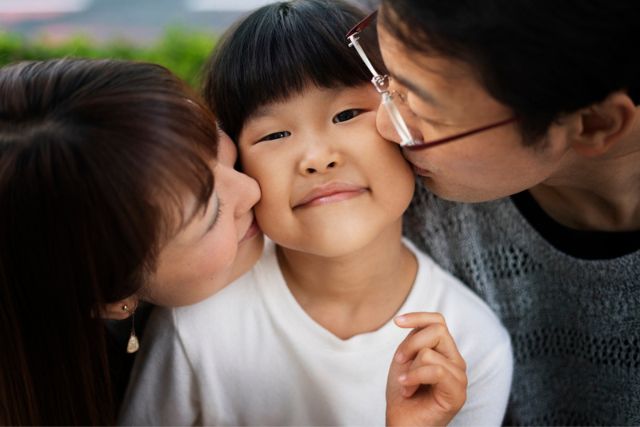 Image credit: Freepik
Advice for caregivers
Reflecting on my experiences, parental support was important to tide me through festive seasons like CNY. I’d like to share some tips for parents with children going through similar struggles.
1. Understand, not react
Instead of making judgements about your child’s behaviour, it would be better to share observations and maintain curiosity about your child instead. I might have been more open to discussing my struggles if my parents’ expressions showed that they were coming from a place of care and concern rather than criticism. It would have likely reciprocated a more open and honest response.
2. Check-ins with your child
If your child is already going through treatment, you could consider checking in with them, ahead of such festive occasions. They are likely to know what unhelpful thoughts might arise and you could offer to support them with reminders (e.g. gently nudging them when observed hesitating to eat in front of relatives), with their agreement.
3. Understand their condition
It is important for parents to understand what their children are going through so that they can empathise and journey with them in their recovery. One possible way to do so, besides self-education online, is to attend programmes that seek to educate caregivers on how to support persons with an ED.
Final comments
Community is extremely vital in mental health recovery. During my recovery, I have learnt to be more vulnerable in my struggles because others did. I have also learnt to be bold in facing my challenges squarely because my parents and friends were bold in supporting me.
Unfortunately, not everyone is able to have these around them. Till today, many people with an ED go underdiagnosed because they do not deem their environments safe and affirming enough to share.
This coming Chinese New Year, I hope that you might be able to offer a safe and affirming environment for your loved ones to share about his/her struggles, so that the festive season can be a joyous occasion for him/her too.
By Beyond the Label Ambassador Yeo Shin Loong.
Beyond the Label (BTL) focuses on addressing the stigma around mental health and promoting social inclusion for persons with mental health conditions.
Led by TOUCH Community Services and the National Council of Social Services, the BTL Collective partners with stakeholders in the mental health ecosystem to:
- Raise awareness about mental health stigma and advocate for greater support for persons with mental health conditions
- Educate and equip the public with peer support skills that help them interact with and support persons with mental health conditions
- Implement workplace adjustments to better support persons with mental health conditions
- Encourage those who need help to seek help early
Visit the First Stop for Mental Health for mental health support and resources.
* * * * *
Looking to reach over 100,000 parents in Singapore? Let us amplify your message! Drop your contact details here, and we’ll reach out to you.
Discover exciting family-friendly events and places to explore! Join our Telegram and Instagram for curated parenting recommendations.