






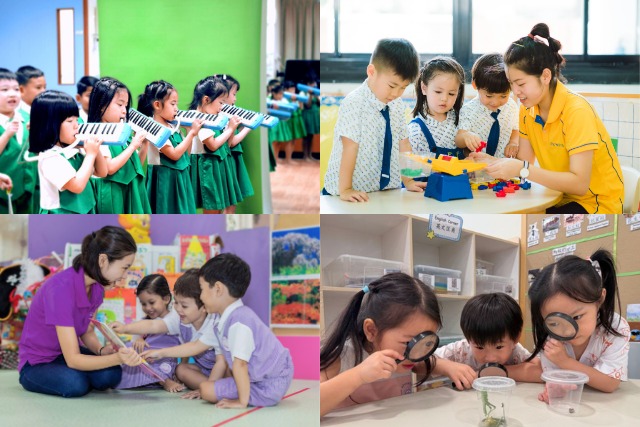













Early childhood education is undergoing a quiet revolution. Once centred mainly on letters, numbers, and routines, today’s classrooms are shaped by innovation, empathy, and purpose.
Parents in 2026 will find that the best schools are not just teaching children what to think, but how to think – encouraging curiosity, creativity, and compassion in equal measure.

Technology That Supports, Not Replaces
Technology is now woven into the fabric of early learning. Tablets, coding activities, and interactive whiteboards are part of daily routines, but they are most effective when used intentionally.
The goal is not to replace play or imagination, but to extend them. The strongest schools use technology to support inquiry – allowing children to record discoveries, design projects, or explore different ways of presenting their ideas and learning.
For parents, the key question is not whether a school uses technology, but how. Ask how screen time is balanced with hands-on activities and how digital tools are used to foster creativity.
Emotional Learning at the Core
Academic readiness is no longer measured only by reading or counting skills. Emotional intelligence – empathy, self-control, resilience – is now recognised as a foundation for lifelong success.
Many modern preschools weave social-emotional learning into their curriculum through reflection time, cooperative games, and mindfulness exercises. Parents should look for schools where teachers actively model empathy and help children express feelings in healthy ways.
When children feel safe and understood, they are far more likely to take risks, persevere, and grow.

Learning with Purpose and Sustainability
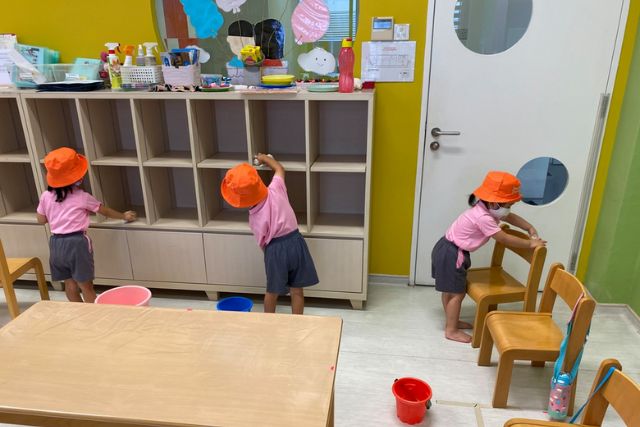
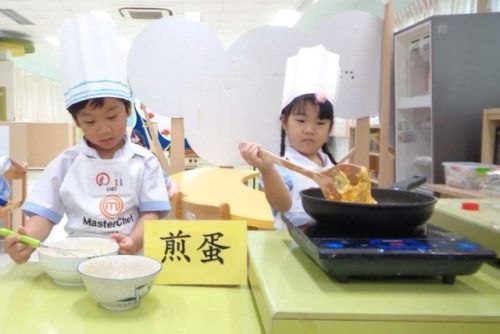
Another hallmark of modern education is the emphasis on purpose. Children today are encouraged to care about the world around them – from recycling and nature walks to classroom gardens and community projects. These experiences nurture responsibility and a sense of belonging.
Schools adopting sustainability as a theme teach children that learning is not only about personal achievement but also about contribution.
Parents can ask how schools connect lessons to real-world contexts, how they help children see themselves as part of something larger, and whether the school has any community partnership activities that enrich learning.
Personalised Academics That Inspire, Not Pressure
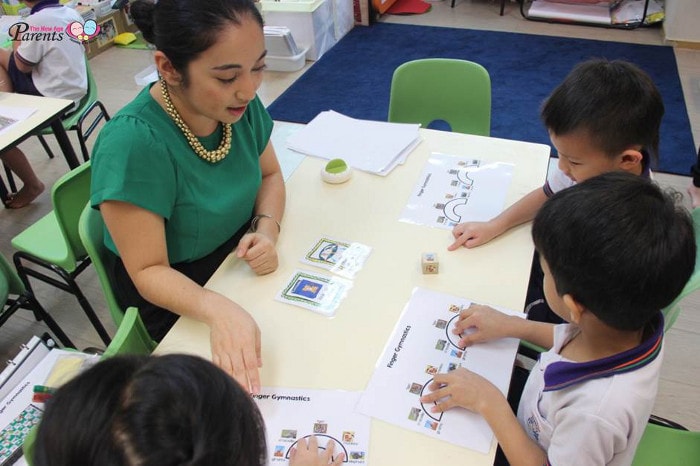
The focus of academic instruction is shifting from memorisation to mastery. Rather than racing through topics, teachers now tailor lessons to each child’s pace and interest.
Many schools blend structured literacy and numeracy with inquiry-based projects, allowing children to make connections between what they learn and what they are interested in. Parents should seek programmes that value progress over perfection – where children are guided to build confidence, not comparison. True academic excellence grows from curiosity, not competition.
The Power of Expression and Creativity
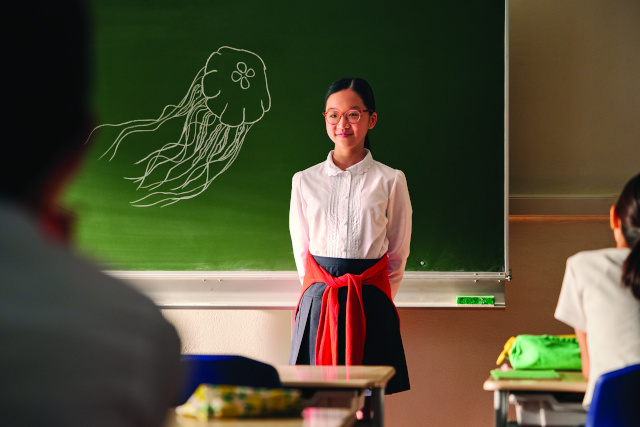
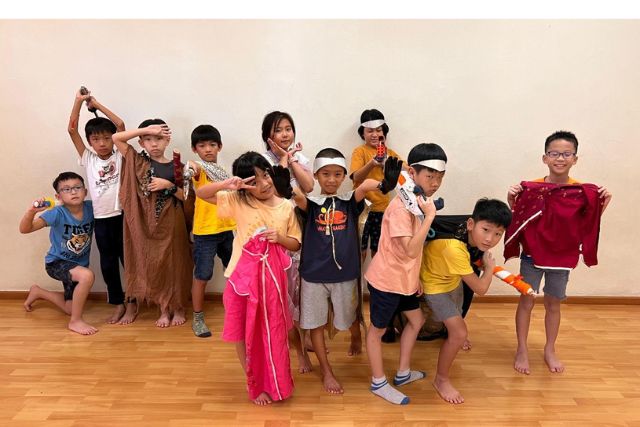
Creative expression is gaining recognition as a vital skill for the future. From art and drama to music and movement, creative learning helps children develop emotional awareness and flexible thinking.
In forward-looking classrooms, art isn’t confined to an “activity corner” – it’s integrated into science, language, and problem-solving. Parents might ask how the arts are embedded across the curriculum and whether children are encouraged to explore their ideas freely.
A school that values creativity signals a belief in every child’s potential to imagine and innovate.
Language, Communication, and Global Awareness
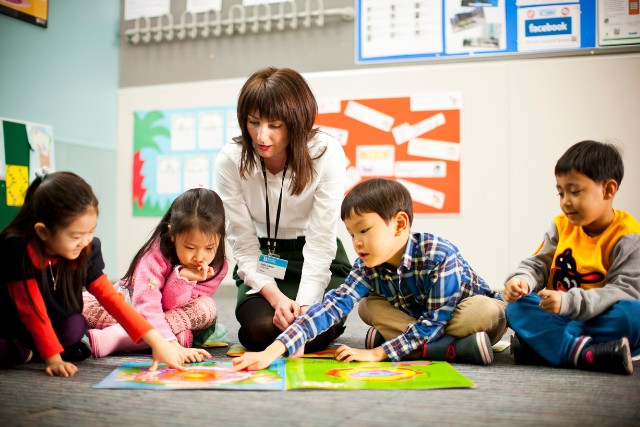
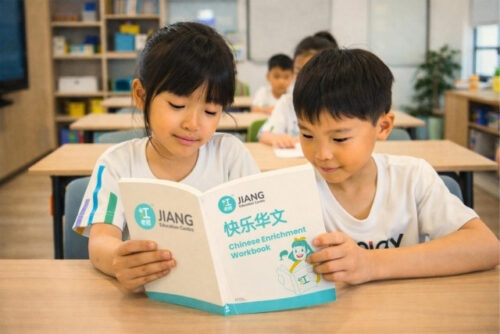
Language learning is also evolving. Beyond bilingual instruction, schools are helping children develop communication skills that cross cultures and contexts. Storytelling, dialogue, and exposure to multiple languages build not only vocabulary but also empathy and confidence.
Parents should look for environments that encourage curiosity about different cultures and ways of thinking. This global mindset, when cultivated early, becomes a lifelong strength in an interconnected world.
Choosing the Right Fit
With so many options available, the most important step for parents is reflection. What excites your child? Do they thrive on structured routines or open-ended play? Does the school feel warm and child-centred? Visit classrooms, observe interactions, and listen to how teachers speak to children.
The right environment will be one where joy and curiosity are visible – where children are encouraged to question, express, and discover at their own pace.
The Future of Learning
The future of early childhood education is human at its heart. Technology may evolve and curricula may change, but what will always matter most is connection – the bond between teacher and child, the curiosity that sparks discovery, and the safe spaces where expression and confidence can flourish.
For parents, choosing a school in 2026 means looking beyond facilities or reputation. It means finding a place where your child feels seen, heard, and inspired to learn. In that balance between innovation and care lies the true new face of early childhood learning – a world where every child learns not just for school, but for life.
By Joanne Heng.
This post was first published in TNAP Education e-guide 2025 / 2026.
* * * * *
Looking to reach over 100,000 parents in Singapore? Let us amplify your message! Drop your contact details here, and we’ll reach out to you.
Discover exciting family-friendly events and places to explore! Join our Telegram channel for curated parenting recommendations.